

Finally. Therapy for kids that looks at the whole picture.
What is Play Therapy?
You might think of play therapy as “just playing,” but it’s much more. A Registered Play Therapist™ has specialized training to guide play in ways that promote healing and growth. In our sessions, toys, art, movement, and storytelling become powerful tools for children to:
Work through big emotions like anger, sadness, or worry
Build confidence and self-esteem
Strengthen social skills and problem-solving
Learn healthier ways to express feelings
Recover from trauma, loss, or life changes
Feel more regulated and connected in daily life
At The Real Work in Beaverton our play therapists use neurodiversity-affirming, trauma-informed practices to meet kids where they are. Whether your child is struggling with anxiety, ADHD, behavior challenges, or transitions, play therapy offers a safe, supportive space for growth.
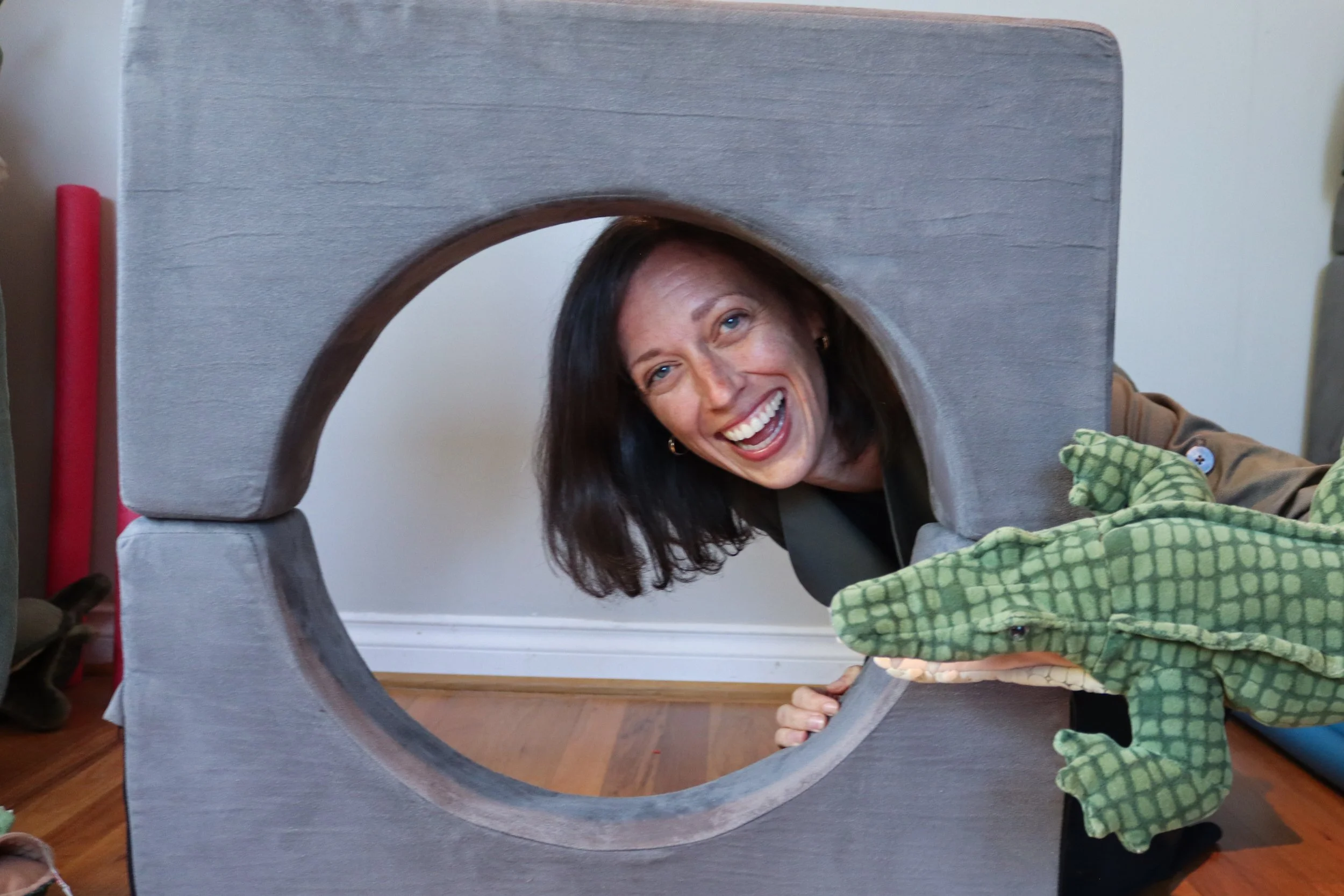
-
Absolutely. Meta-analyses show non-directive play therapy is as effective (or even more effective) than traditional psychotherapy for children, with strong results across diverse backgrounds and challenges. Learn more at Association for Play Therapy
-
Play Therapy helps kids ages 3-10 with anxiety, ADHD, trauma, behavior challenges, adjustment challenges to big changes like a move, separation, or new sibling, and more to develop emotional resilience, confidence, and self-expression.
-
You might consider play therapy when your child is struggling emotionally, socially, or behaviorally, and talking it through isn’t enough. Play therapy uses toys, art, movement, and imagination to help children express feelings, process experiences, and learn new skills in ways that feel safe and natural.
Parents often choose play therapy when their child:
Has big emotions that feel overwhelming (anger, sadness, anxiety, or fear)
Struggles with behavioral challenges (outbursts, withdrawal, aggression, difficulty following rules)
Is experiencing life changes (divorce, loss, moving, new sibling, school transitions)
Shows signs of trauma or stressful experiences they can’t talk about
Has ADHD, is autistic, or has regulation struggles and benefits from nontraditional ways of expressing themselves
Feels isolated, shy, or disconnected in social settings
Needs help building confidence, problem-solving skills, or coping strategies
At The Real Work, our team of Registered Play Therapists™ in Beaverton specializes in helping children ages 0–15 navigate these challenges with empathy and expertise. Through guided play, children learn to:
Understand and manage their feelings
Build trust and connection with others
Develop new coping and problem-solving skills
Heal from loss, trauma, or stress
Strengthen their sense of self and belonging
Our approach is child-led, trauma-informed, and neurodiversity-affirming, ensuring that each child feels safe, respected, and supported in their unique way.
👉 If your child is showing you through their play, behavior, or emotions that something feels “too big,” play therapy can give them the tools and support to thrive.
Play Therapy FAQs for Parents
-
Play therapy is a credentialed, evidence-based form of psychotherapy designed specifically for children. It leverages play, special interests, and relationship (children’s natural mode of expression) to help them communicate feelings, process experiences, build coping skills, and work through emotional or behavioral challenges in a developmentally appropriate way. Unlike ordinary play, play therapy uses structured therapeutic models delivered by trained clinicians to support healthy emotional and psychological development. At The Real Work, we describe play therapy as creating a trusting therapeutic relationship that gives your child another language the language of play so they can express what might be hard to say with words.
-
Play therapy works by creating a safe, attuned therapeutic relationship in which your child leads through play and the therapist reflects, supports, and sometimes gently guides the process. The therapist observes your child’s play behaviors and themes to understand their inner experience, unmet needs, and areas of stress or conflict. Over time, children learn to regulate emotions, solve problems, and develop healthier ways of relating to others. Your child might use toys, art materials, puppets, sand, or symbolic games as tools for expression. Each medium is an avenue for communicating thoughts and feelings that may not be easily verbalized.
-
Play therapy should be delivered by licensed mental health professionals with specialized training in play therapy. Many therapists pursue additional credentials such as the Registered Play Therapist (RPT) designation through the Association for Play Therapy to demonstrate competency and adherence to ethical standards. At The Real Work, multiple clinicians in our collective are trained in child-centered and evidence-based play therapy approaches and often hold advanced certifications in attachment science, interpersonal neurobiology, and developmentally informed practice
-
Play therapy has been shown to support children experiencing a wide range of social, emotional, behavioral, and developmental concerns, including but not limited to:
Anxiety, fears, and overwhelm
Emotional regulation challenges
Trauma and stressful life experiences
Behavioral difficulties and social challenges
Sensory sensitivities and neurodevelopmental differences
Adjustment to transitions or family stressors
Research indicates play therapy can help children build resilience, improve peer and caregiver relationships, and reduce symptoms of distress
-
A play therapy session is child-centered, meaning your child chooses what to do and how to express themselves with the therapeutic materials available. The therapist observes and engages in ways that help support emotional processing, relational experiences, and skill development. Over time, patterns in play can offer insight into your child’s internal world and help the therapist co-create goals with your family.
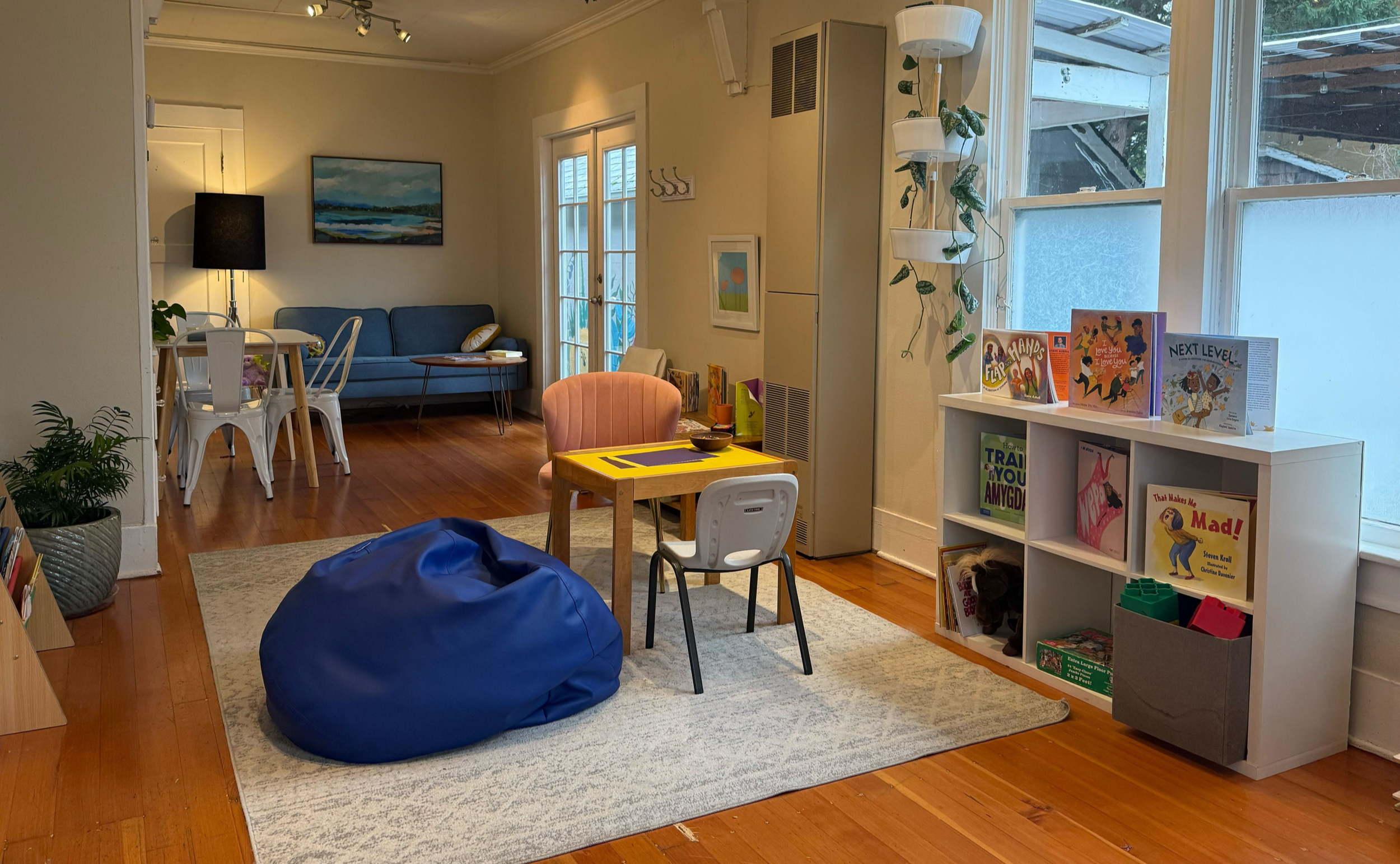
At The Real Work, our clinic spaces are intentionally designed to be inviting and comfortable for children, respecting sensory differences and helping your child feel safe from the moment they walk in.
-
Parent involvement is a key component of effective play therapy. Therapists typically:
Collaborate with caregivers to understand stressors and strengths in the family system
Provide updates (as clinically appropriate) about goals and progress
Offer parent guidance and coaching to reinforce skills and insights between sessions
Some models of play therapy include periodic parent-therapist meetings to bridge the work done in the playroom with daily life at home.
-
The duration of play therapy varies by child, concern, and goals. Some children may show meaningful changes in a few months, while others—especially those navigating complex trauma or longer-standing challenges—may benefit from longer engagement. A therapist will discuss expectations and milestones with you during initial assessment and ongoing review.
-
Yes. The Association for Play Therapy is an international professional society dedicated to promoting research, education, and ethical practice in play therapy. Play therapy has a substantive evidence base demonstrating its effectiveness across developmental, emotional, and behavioral challenges when delivered by trained clinicians. Clinical journals such as the International Journal of Play Therapy publish peer-reviewed research on mechanisms, outcomes, and best practices in the field.
-
Play therapy may be a strong fit if your child:
Struggles to talk about feelings or experiences
Exhibits emotional outbursts, withdrawal, or behavioral shifts
Faces ongoing anxiety, trauma, or relational stressors
Has difficulty expressing needs with words alone
A consultation with a trained play therapist is the best way to answer your questions, clarify your goals, and determine a tailored plan for your family.
-
During the first session, the therapist will gather developmental, relational, and behavioral history to understand what brings you to therapy. The therapist will also explain the play therapy process, answer questions, and orient your child to the playroom space and materials in a way that fosters safety and curiosity.
If helpful, you can share pictures or talk with your child beforehand about the playroom to reduce anxiety before the first visit.
Our areas of Specialty
Therapists at The Real Work often work with the following concerns
Parenting Challenges, Childhood Anxiety, Fears/Phobias, Trauma, Social/Emotional Challenges, ADHD, Depression, Mood Changes, Adjustment To Divorce/Separation, Relationship Challenges, Neurodevelopmental Differences, Autism Spectrum, Sensory Processing Differences.
Getting Connected With Us
We can’t wait to meet you!
1
What are you looking for?
If you schedule a consultation, we will reach out at the contact info you provide, and ask a few questions to help us tailor our recommendations for one of our therapists.
2
Personalized suggestions.
We’ll share who, from our team, is the best fit for your needs, preferences, and availability.
3
Pick the right therapist.
You’ll be connected via a free, 15-minute consultation with one of our therapists, to see if it’s a good, clinical fit.
Common Questions About Child Therapy at The Real Work
How often do you meet for therapy?
Therapy is relationship-based, which means we will spend a great deal of time establishing a trusting relationship. This takes time. Typically we meet with children and families weekly for at least 6 weeks or until symptoms become more manageable, then scale back to every other week if you prefer. Many families stay with us for years, enjoying the support as life happens. Each person is unique, so keep in mind that this is just a general plan based on the evidence base and our experience.
Do you bill insurance?
No. We are private pay, which means you pay our full fee for service. However, our licensed clinicians are able to provide you with a receipt for services that you can submit to your insurance for out-of-network benefits. Please bring this up at your consultation if you’d like more info on this option.
How does Play Therapy work?
Great question! Play Therapy is an evidence-based treatment that helps children express themselves and solve problems in their natural language: play and physical expression. Click the link below for more in-depth information.
About Our Practice: Therapy That Integrates Brain Science + Relationships.
We are glad you found us. The Real Work is a small, carefully designed, mental health practice created specifically for parents and children. Everything we do is informed by the latest research in child development and relational neuroscience. We aren’t here to give advice or put a Band-Aid on behavior. We believe that all behavior is a form of communication so, no matter what your child has been going through, there is a way to see them for who they really are, and provide true support for healing and growth.
Why relationship-based therapy?
There is so much noise and information out there about mental health, skills trainings, coaching programs, and self-help books! These can be helpful, but are not a substitute for a deep relationship with a therapist who is trained to have your back, and help you understand yourself, your past, and your relationships.
More about integrative, brain-based, child therapy for kids ages 3-10
If you’ve been searching for excellent mental health care for yourself or your child, we are it. If quick fixes and behavioral changes haven’t worked, we might be the next step for your family. Clinicians at The Real Work blend training in interpersonal neurobiology, child development, Attachment Theory, Somatic Psychology and play therapy to support children ages 3 and above.
In addition to working directly with your child, we provide cutting-edge parent support.
Our infant mental health and parenting experts hold training in early childhood development. We have so much compassion for what it’s really like to be a parent--the parts you are afraid to talk about. You can be real here, and know that we understand.
Occupational Therapy for Kids Alongside Play Therapy
Pediatric Occupational Therapy can help children develop the crucial skills of attuning to and comprehending their body's signals. Occupational Therapy incorporates purposeful movement with enriching experiences that encourage exploration and growth, based on your child’s individual differences, sensory profile and functional needs. Our OTs create a secure and enjoyable space for your child. In this nurturing environment, your child will receive personalized support to seamlessly integrate and navigate the intricacies of everyday sensory experiences.
Starting therapy is really brave, and chances are you’ve been through a lot before this moment. We want to make this simple. We want you to feel respected, safe, and seen.
— Rebekah Springs, The Real Work’s founder